What can experiential marketers learn from gaming audiences? Quite a bit, actually.
Long before “immersive” became an industry buzzword, gaming brands were already building deeply emotional fan bases around launches, live events, broadcasts, retail, and fandom. Expectations were high, and audiences were invested. The line between physical experience, digital content, and community interaction blurred years before most industries caught up.
That environment pushed brands like Xbox - and the teams supporting those experiences - to think differently about experiential marketing.
Over the last two decades, TPN has partnered with Xbox across launches, tournaments, retail activations, fan experiences, broadcasts, and immersive environments. Different cities, different scales, differentaudiences. The goal was always the same: create something worthy of the people showing up for it.
Gaming audiences can tell when an experience was built with intention. They notice details and remember moments. They also know immediately when something feels transactional or surface-level.
That expectation has become increasingly relevant across the broader event industry. Audiences want experiences that feel participatory, culturally aware, and inclusive. Marketing teams need content ecosystems that continue long after the doors close. Communications teams are balancing narrative consistency across live, digital, social, and broadcast environments all at once.
The overlap between strategy, creative, production, and audience behavior is where experiential marketing becomes truly effective.
Halo 3: ODST launch
Seattle’s Experience Music Project was transformed into a living extension of the Halo universe. Fans lined the block for hours before doors opened, many arriving fully suited up as Master Chief or ODST characters. Gameplay stations, developer Q&As, collectible signings, and environmental storytelling created an atmosphere that felt communal from the moment attendees arrived.
What stood out wasn’t just the scale of fandom. It was the emotional investment people brought into the room with them. The event felt larger than the release itself. It became a physical gathering point for a community that already existed online and across generations of players.
We’ve seen that dynamic become increasingly important for marketers everywhere. Audiences are looking for experiences that acknowledge them, not just sell to them.
E3: Xbox Experiences
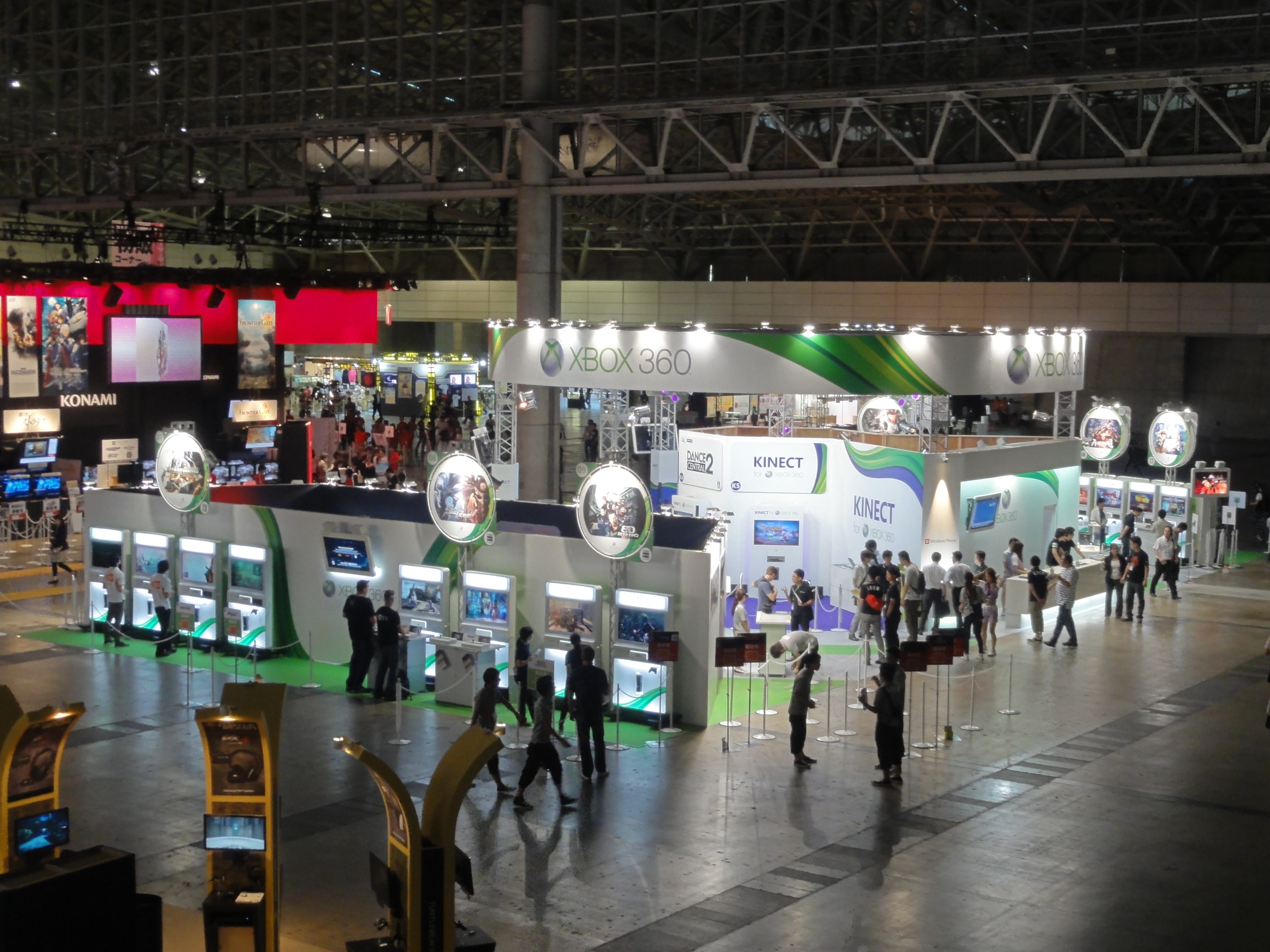
This event leaned heavily into environmental immersion years before the industry widely adopted the term. Scenic engineering, gameplay environments, architecture, graphics, and broadcast integration all worked together inside massive branded worlds designed to guide audience movement and attention.
Lenticular installations shifted as attendees moved through the space. Scenic structures hovered above gameplay areas. Meeting rooms, executive demos, fan experiences, gameplay stations, and broadcast environments all had to coexist within a single footprint while still feeling cohesive.
The strongest environments felt intentional from every angle. Someone spending ten minutes in the space and someone spending three hours there both understood the world they had stepped into.
Mixer Domes at L.A. Live
This activation expanded that thinking even further. Two massive geodesic domes became fully interactive destinations complete with streaming stages, creator tournaments, lounges, gameplay stations, retail, and a 360-degree projection experience inspired by streaming culture itself.
The experience extended far beyond the physical footprint. Fans moved fluidly between live participation, creator content, online conversation, and broadcast moments. The audience journey no longer existed in a single format or platform.
That shift is now shaping nearly every major brand experience. Today, live events are expected to serve the not only the audience in the room, but also livestream viewers, social audiences encountering clips later, and the broader content ecosystem that continues circulating long after the event ends. Gaming audiences pushed those expectations early. Much of the experiential industry is now operating inside a modelgaming helped normalize years ago.
Forza Racing Championship
This event reflected that evolution clearly. TPN partnered with Microsoft to support multiple international tournaments leading into championship finals in London, producing experiences designed for both live audiences and millions of online viewers simultaneously.
The storytelling carried from event to event. Rivalries, momentum, audience anticipation, and player narratives created continuity between broadcasts in ways that felt closer to motorsports coverage than traditional tournament production.
That structure now feels familiar across modern experiential marketing. Brands are increasingly expected to think like broadcasters and entertainment platforms at the same time.
Even smaller footprint activations carried the same audience-first mindset.
San Diego Comic-Con
TPN partnered with Xbox to redesign their retail booth layout so fans spent less time waiting in lines and more time engaging with the experience itself. Operationally, it was a relatively simple adjustment. From an audience perspective, it completely changed how attendees moved through the environment and interacted with the brand.
The strongest experiences rarely come down to scale alone. Audiences remember how an experience made them feel. They remember whether their time was respected. They remember whether the people behind the event seemed to genuinely understood the community they were designing for.
After years of supporting Xbox experiences, one thing has become incredibly clear to us: the most effective live experiences are built around audience trust.
At a certain point, these moments stop feeling like launches or activations. They become extensions of the relationship between the brand and the people who have supported it all along.