
We’ve all sat through a bad webinar.
The presenter reads off slides. The energy is flat. The chat is silent. By minute seven, you’re checking email, answering Slack, or doing anything else on your second screen.
It happens more often than it should, especially when 54% of B2B professionals attend or engage with webinars weekly or even daily.
Webinars are one of the most widely used tools in modern marketing and events. That makes it even more surprising how often experience falls short.
The best webinars are different. They’re intentionally produced, thoughtfully structured, and built around how people actually watch.
So what separates a webinar people abandon from one they stay for?
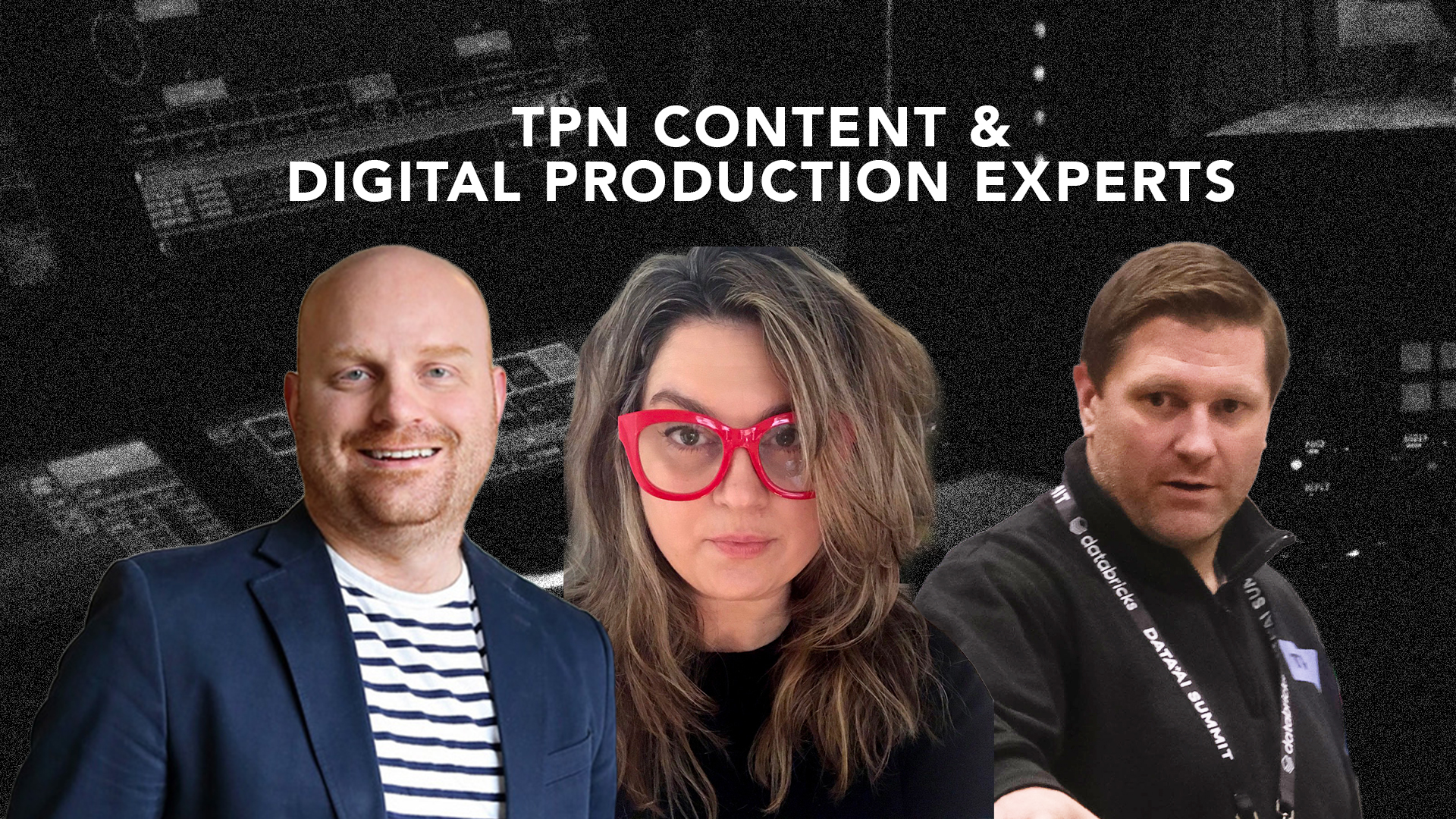
We asked three of TPN’s content and digital production experts for their perspective:
- Oren Mauldin, Sr. Director of Client Solutions
- Rachael Truscott, Chief Strategy Officer
- James Monrean, Director of Production Technology and Innovation
Here’s what they say consistently makes the difference.
1. Authenticity Beats Scripting
Audiences can tell immediately when a presenter is reading slides versus speaking from experience.
Strong webinars feature speakers who understand their message well enough to deliver it naturally.
Oren
“The first distinguisher is authenticity. The speakers presenting the content need to come across as prepared subject matter experts who can speak confidently without reading from a script.”
Rachael
“Preparation doesn’t take away from authenticity. It actually supports it. The goal is simple: know the message well enough to speak like a human.”
2. Production Shapes Perception
If a webinar looks like a standard Zoom call, audiences will treat it like one.
Production value sets expectations before a word is even spoken.
Oren
“It’s got to be produced at a level that’s a better experience than just being on a video call with a presentation.”
Clean visuals, strong audio, clear graphics, and pacing all signal value.
James
“The higher the production value, the higher the perceived value for the audience.”
3. Rehearsals and timing make the difference
You can have strong content and still lose your audience if the delivery falls apart.
Lighting, audio, camera framing, and speaker transitions all shape the experience. That’s why rehearsals and tech checks shouldn’t be optional.
Oren
“People always try to shorten or skip the tech rehearsal. But if you’re recording or livestreaming, you need that time to test the setup and make sure everything flows naturally.”
This is not a meeitng. It is an event.
Most people are watching during the workday, often while multitasking. Structure and pacing matter to hold attention.
James
“Twenty to thirty minutes is usually the sweet spot.”
4. Education alone isn’t enough
Most audiences show up to learn something. But information alone doesn’t keep their attention.
The strongest webinars combine useful content with intentional delivery, often described as “edutainment.”
James
“Treat it like a show. You want engaging content, interactive moments, and production elements that keep people watching.”
Design details matter too.
Rachael
“Leave the lower thirds up. People want to know who’s speaking and be able to find them later.”
5. Webinars work best within a larger strategy
Webinars are more effective when they are not treated as standalone moments.
Rachael
“Webinars shouldn’t exist in isolation. They’re one part of an integrated marketing campaign. They can build momentum before major events, extend the life of in-person programming, and fuel year-round content. You can take a 20-minute conversation and turn it into dozens of assets.”
Production Is What Makes It Work
Not every webinar needs broadcast-level production. But the difference between a webinar people ignore and one they stay with comes down to the same things.
Speakers who sound like people, not scripts. A format built for attention. And production that signals it’s worth watching.
Those are the elements that improve every webinar and the ones worth investing in when the stakes are higher.


