This is part three of Beyond the Fan Zone, a field-study series exploring Seattle’s citywide World Cup experience through the eyes of a native Seattleite and TPN creative strategist, and what it can teach brands about creating experiences that bring people together.
Pioneer Square did not need the World Cup to teach it how to be a soccer neighborhood.
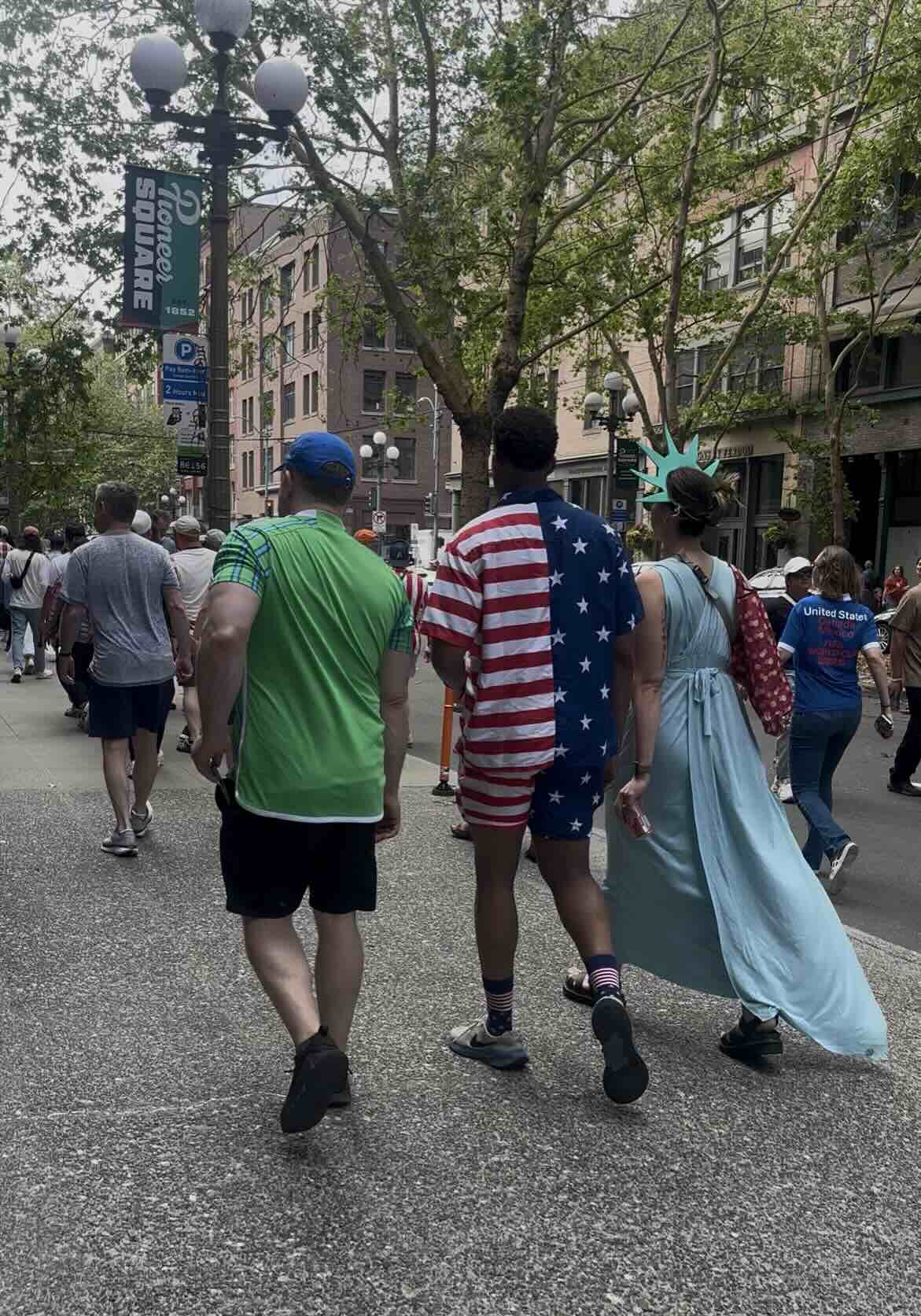
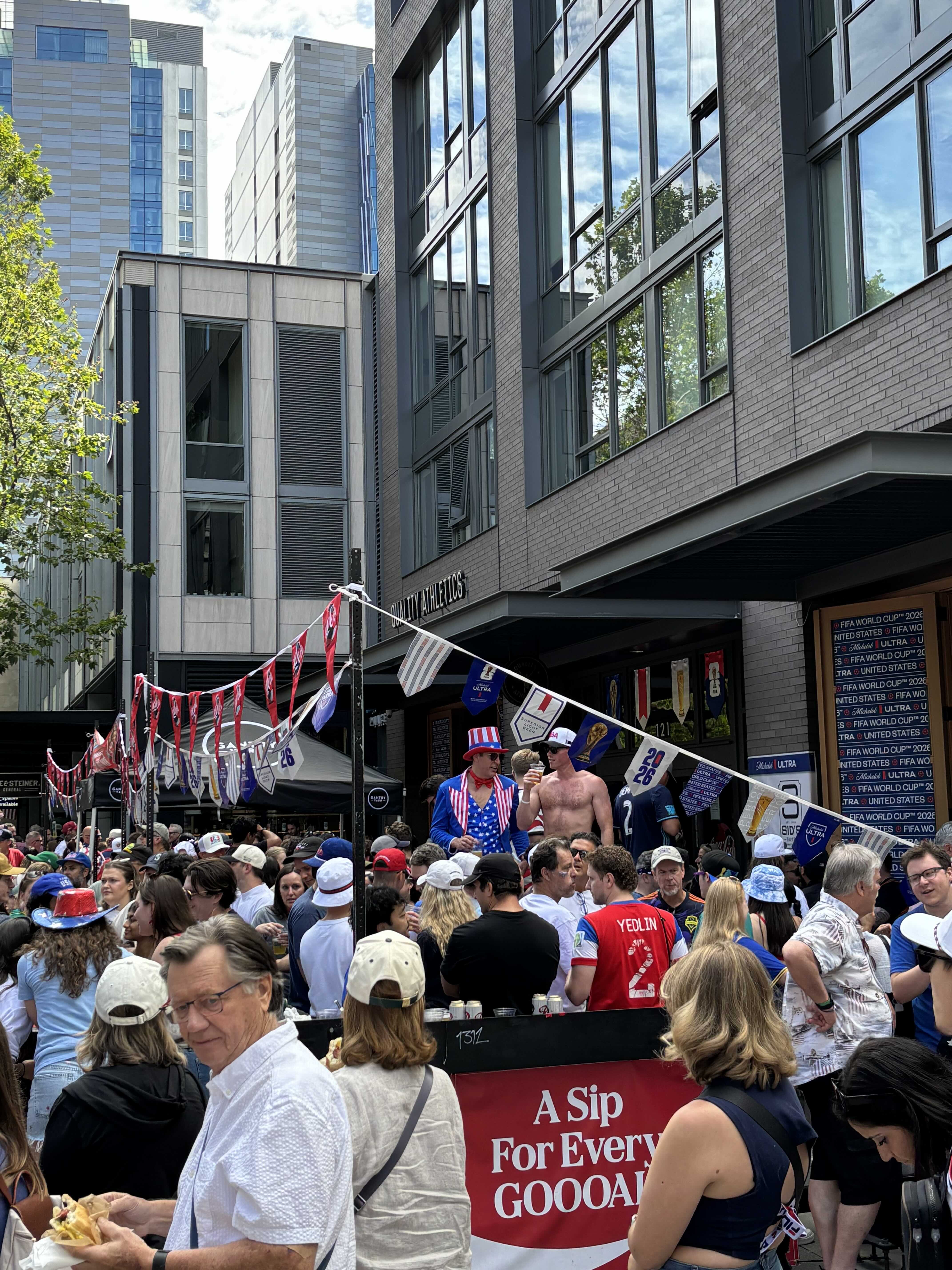
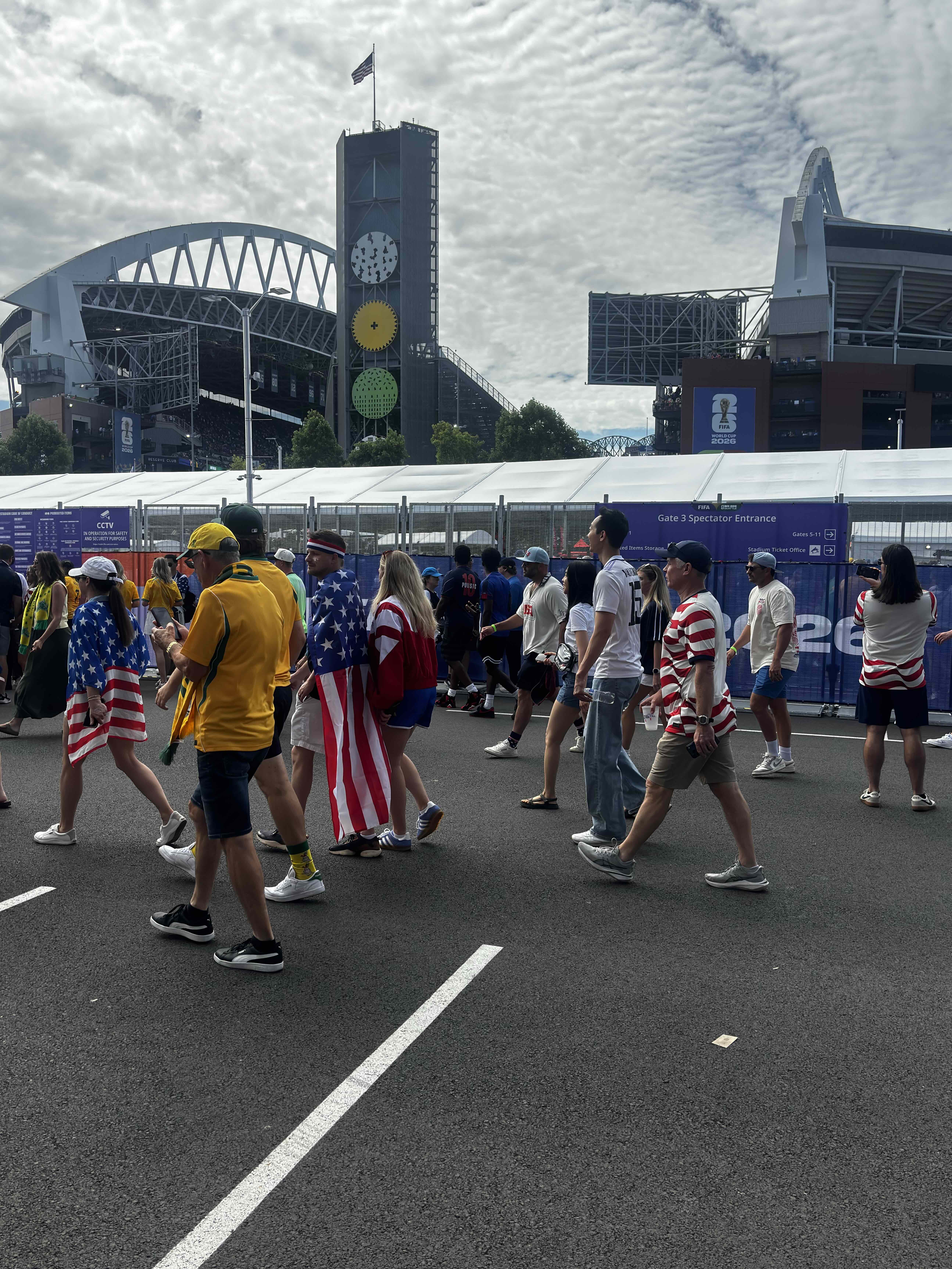
Located just north of Seattle Stadium (otherwise known as Lumen Field), where the matches were held, it has long been where Seattle Sounders supporters gather before home matches and march together toward the stadium. The bars know the chants. The streets know how to get loud. Fans know where to find one another.
During the World Cup, that existing ritual expanded to meet a global audience.
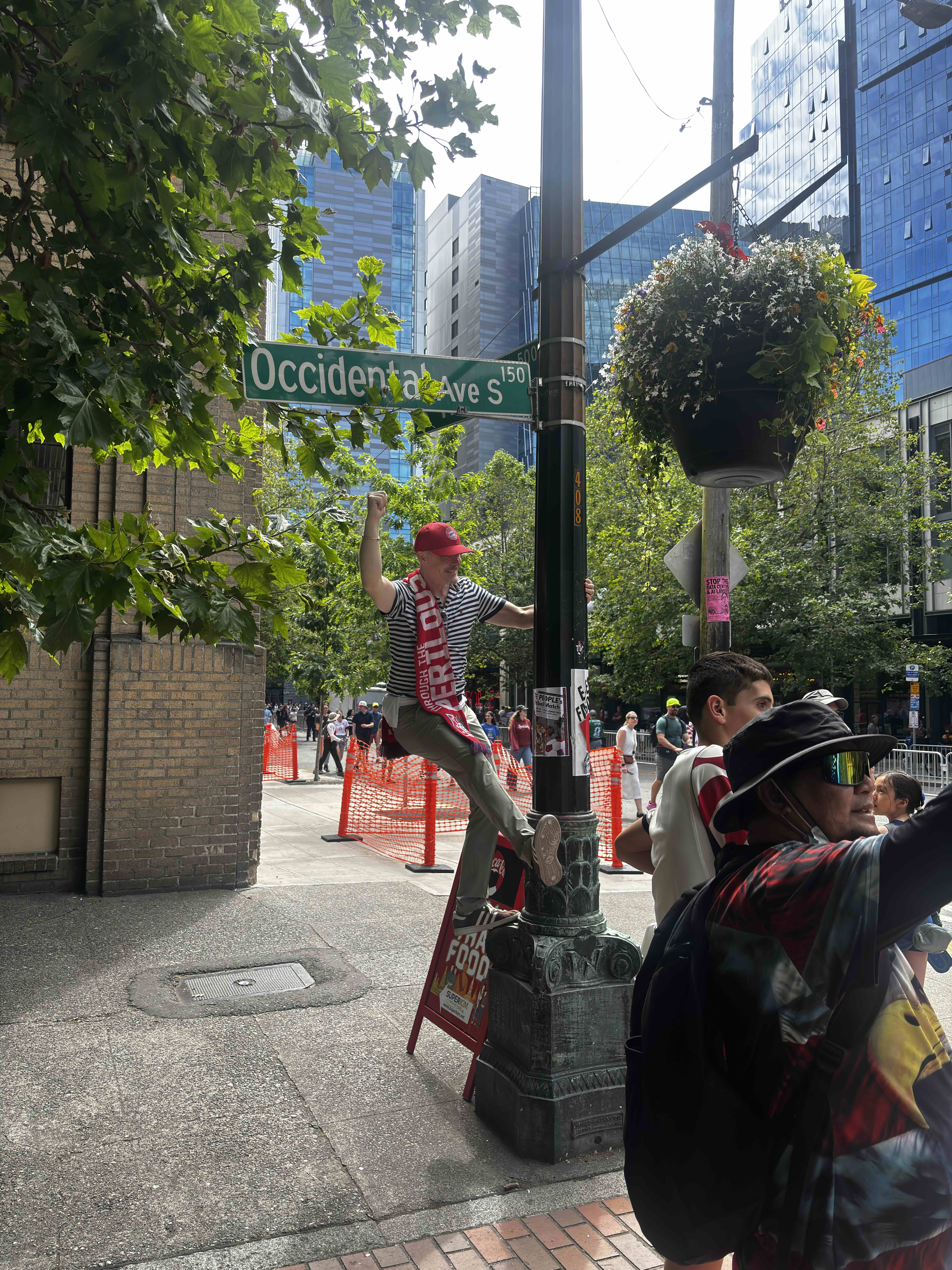
Every time I walked through Pioneer Square, it was maddening, but in the best way. The neighborhood filled with local supporters, traveling fan groups, flags, songs, smoke, and a level of noise that made recording usable audio almost impossible. I know because I kept walking a few blocks away just so my microphone could hear something other than the crowd.
Pioneer Square became the emotional heart of the city on match days because it already had a role in Seattle soccer culture. The World Cup did not invent that behavior. It gave it a much larger stage.
That distinction matters for anyone designing an experience around a place, community, or cultural moment.
The best strategic question is not, “What new activation should we create?”
Sometimes it is, “What is already happening here, and how can we amplify it without stripping away what makes it real?”
That does not mean brands have no role to play. It means the role changes. Instead of trying to manufacture the moment, the opportunity is to support what people are already there to do, give it room to grow, and remove the things that get in the way.
I saw the other side of that in one branded hospitality space in Pioneer Square.
It had all the recognizable ingredients of a fan activation: a DJ, drinks, couches, swag, and photo opportunities. But it was also an extremely hot day, and the space had no air conditioning. I walked in, took a few photos, and left after only a few minutes.
The creative concept was not the problem. The conditions made it difficult to enjoy.
That experience reinforced something easy to overlook when we talk about creative ideas: designing around real human behavior also means designing for real human needs.
Comfort, access, capacity, shade, acoustics, staffing and flow may sound like production details, but they shape the experience as much as the creative concept does. They determine how long people stay, what they remember and whether an experience delivers on its promise.
The biggest thing I took away from Pioneer Square was not that brands should copy Seattle’s march, chants or supporter culture. Those belong to Seattle.
The lesson is to look for the behaviors that already belong to your audience.
The pre-event meetup. The annual team photo. The hallway where every important conversation happens. The unofficial after-party. The phrase everyone repeats. The thing people would genuinely miss if it disappeared.
Those are not background details. They are creative material.
The most powerful audience rituals are rarely manufactured from scratch. They are recognized, respected, and given room to become bigger than they were before.
And sometimes the smartest creative decision is not to add another thing. It’s to recognize what people already care about and design an experience that helps them do more of it.
Of course, a city-scale experience also has to help people move between all those moments. My next stop revealed that transportation is not separate from the attendee journey. It is part of the show.